
LIMPOPO – The Democratic Alliance (DA) in Limpopo has welcomed the South African Human Rights Commission’s (SAHRC) recent call to declare the country’s water shortfall a national disaster, but insists that the commission must go further and seek legal redress to force government action.
In a media statement released recently, the SAHRC warned that the water crisis has reached “crisis proportions” and is largely man‑made.
It cited “insufficient attention and allocation of budget for the maintenance of water infrastructure, insufficient planning for population growth, high levels of water losses beyond the acceptable norms, lack of skilled personnel in water units, and the scourge of water infrastructure vandalism and the emergence of water mafias.”
DA Limpopo Provincial Spokesperson for Cooperative Governance, Human Settlements and Traditional Affairs (COGHSTA), Lindy Wilson, said the commission’s findings vindicate years of DA activism.
“We have conducted multiple oversights, laid complaints with the SAHRC, and opened criminal cases against officials who disregard the people’s constitutional right to water, to no avail,” Wilson said.
Wilson pointed to the SAHRC’s 2023 report on “Access to Water and the Efficacy of Water Services Authorities in Limpopo”, which revealed stark deficiencies.
The report indicated that only 49 % of Limpopo households enjoy a reliable water supply.
The report stated that in the 2021/2022 financial year, municipalities spent just 1.8 % of the total value of their infrastructure assets on water, far below the National Treasury’s 8 % benchmark. All Water Service Authorities (WSAs) in the province were found non‑compliant with the Water Services Act and Compulsory Standards, or in violation of their obligations to supply water.
The report furthered revealed that COGHSTA failed to effectively oversee water access, and municipalities have either underspent on Water Services Infrastructure Grants or diverted the funds to other purposes.
It said the 2022 Blue Drop report showed that 52.8 % of WSAs do not meet microbiological standards, posing serious health risks, while only 10 % collect sufficient samples relative to population size.
“The SAHRC’s 26 recommendations to the WSAs, COGHSTA and the Premier included investigations into grant applications and expenditure and concluded by saying, ‘This report is a wake‑up call to the Government to accelerate the pace of ensuring that the right of access to sufficient water in the Limpopo Province, and the entire country, does not remain an illusory dream for many,’” Wilson quoted.
According to Wilson, three years after the report was released, the situation has worsened.
“20.5 % of Limpopo households now have no access to piped water, more than double the national average of 8.7 % and water losses are climbing, with Polokwane City recording 38 % losses. Access to water is a human right protected by Section 27 of the Constitution, and government’s longstanding violation of this fundamental right must be remedied,” Wilson asserted. The SAHRC has a constitutional obligation to secure redress for the violation of human rights in court to compel government into action,” she said.
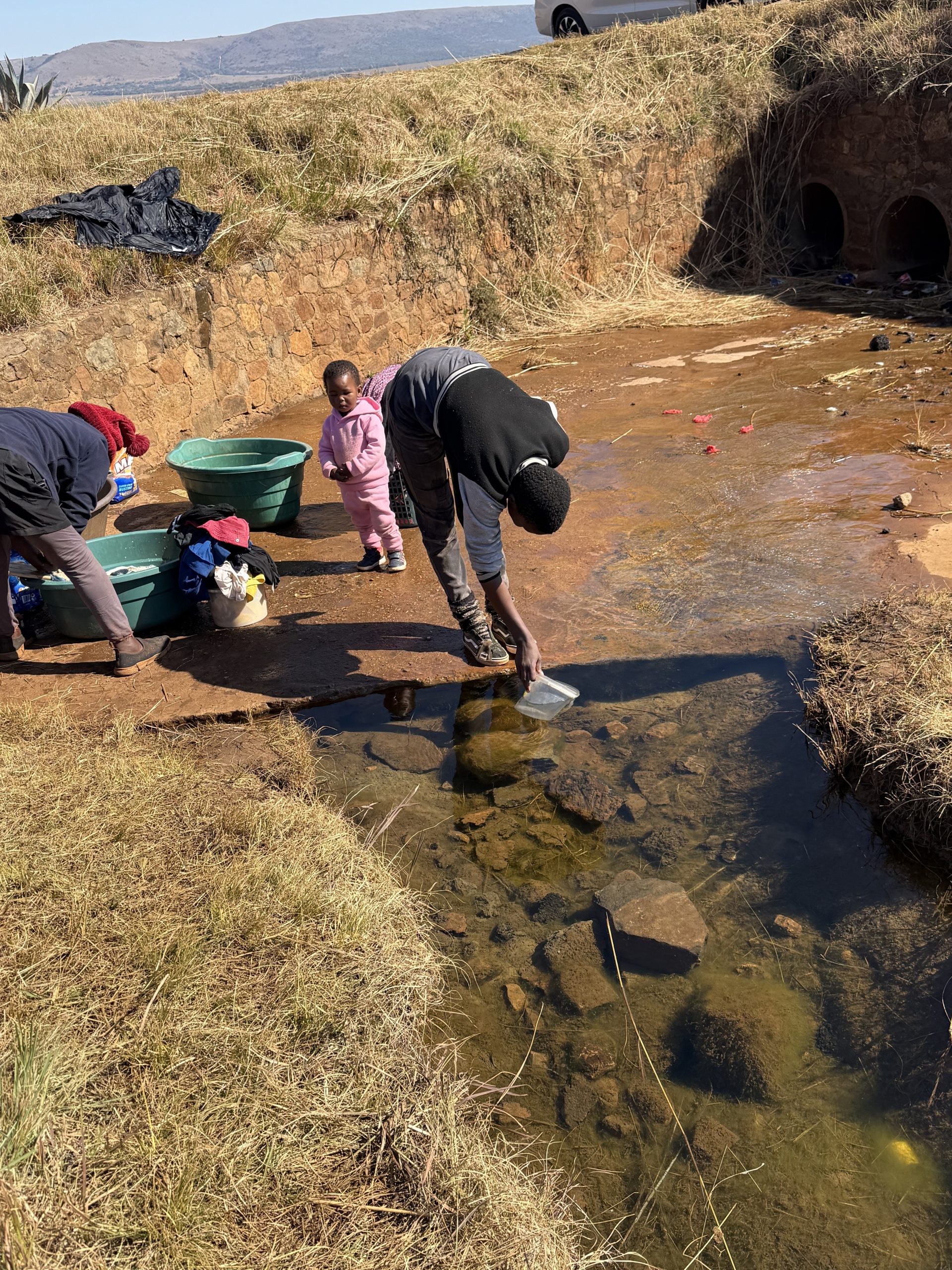
The DA’s call for legal intervention comes amid growing community frustration. Residents of rural villages report going weeks without water, forcing them to rely on unsafe sources.
Local NGOs have documented cases of children falling ill from contaminated water, and smallholder farmers are abandoning fields due to irrigation shortages.
In response, the provincial government has announced R1.2 billion emergency water infrastructure plan, promising to rehabilitate aging pipelines, drill new boreholes, and deploy mobile treatment units.
However, critics argue that without transparent budgeting, skilled personnel, and decisive action against water theft, the plan will fall short.
“The people of Limpopo cannot wait any longer for empty promises. We need a court‑ordered mandate that holds officials accountable and guarantees that every household has safe, reliable water,” Wilson concluded.